



Feeling well doesn’t always tell you the whole story. Risk factors like high blood pressure and high cholesterol often can’t be felt. That makes it easy not to know your own risk, and it’s where a comprehensive health check can help. It’s a longer GP appointment that looks at your overall health, not just one concern.
This guide explains what’s included, what happens on the day, and how to get ready.
What Is a Comprehensive Health Check?
A comprehensive health check is a broader review of your health than a standard GP visit. Instead of focusing on one problem, your GP looks at your history, risk factors, lifestyle, and concerns. You may hear it called a full health check, an annual health check, or a health check-up. The names differ, but the aim is the same: to understand where your health is now.
You don’t need to be unwell to book one. It can be useful when you feel fine because it gives you and your GP a clear starting point. It may also help identify early concerns, support age-appropriate preventive screening, and guide any follow-up care.
What Does a Comprehensive Health Check Include?
No two checks look the same, because the right review depends on your age, history, and goals. Even so, most cover similar areas.
Your Health and Family History
Your GP usually starts with a conversation. They’ll ask about your past health, any symptoms or worries, and the health of close family members. Family history matters because it can affect your risk of conditions like heart disease and type 2 diabetes.
Blood Pressure, Weight, and Other Measurements
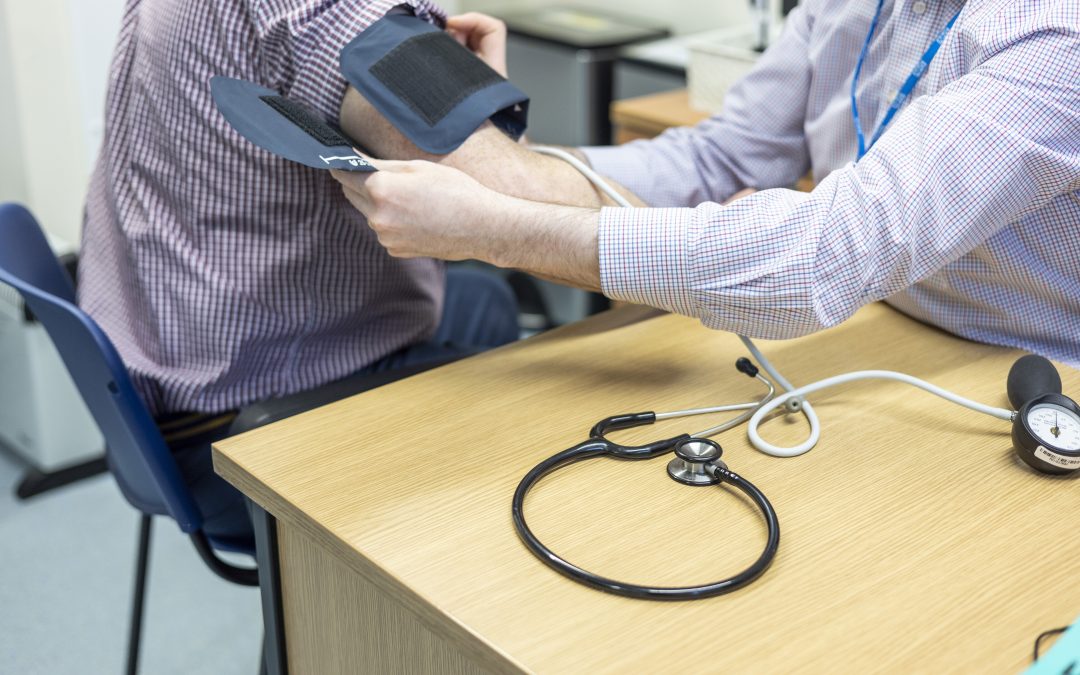
Next, your GP will usually do a blood pressure check and measure your weight. The blood pressure check matters because high blood pressure often can’t be felt. Your GP may also measure your waist, which helps estimate your risk of type 2 diabetes.
Lifestyle, Sleep, and Mental Wellbeing
Your GP may ask what you eat and how active you are. They may also ask how well you sleep, whether you smoke, and how much alcohol you drink. Where it’s appropriate, your GP may also ask about your mental wellbeing. These questions aren’t there to judge you, but to understand how you’re coping.
Medicines and Vaccinations
Your GP can review the medicines you take, including vitamins and supplements. Depending on your age and health, they may check your vaccinations or suggest a skin check.
Which Tests and Screening Might Be Part of Your Check?
Your GP decides which tests suit you, and some may be scheduled separately. Common examples include:
- Blood tests: A health check blood test may look at your cholesterol and blood sugar, as the Heart Foundation explains. Some people need to fast first, but not always, so your clinic will tell you when you book.
- Heart risk: If you don’t have heart disease, you may be eligible for a Heart Health Check. The Heart Foundation lists the starting ages as 45, or 35 with diabetes, and 30 for First Nations people. Your GP uses your results to estimate your chance of a heart attack or stroke over the next five years. Our blog on heart health checks covers this in more detail.
- Diabetes risk: Many people with type 2 diabetes have no symptoms at first. According to Healthdirect, your doctor should check your risk every three years from age 40, using a risk assessment tool. If your risk is higher, you may need a blood test.
- Cancer screening: Australia has national screening programs for cancers including bowel, breast, and cervical cancer. Cancer Australia says the cervical program promotes a Cervical Screening Test every five years for women aged 25 to 74. It adds that eligible people aged 45 to 74 can do a free bowel test at home every two years.
Not every check includes every test. Your GP will explain what they recommend and why.
What Happens During Your Appointment
A comprehensive health check is usually longer than a standard GP visit, because there’s more to cover. You can allow about 30 to 45 minutes. Some tests may be arranged separately and discussed at a follow-up visit.
Your GP will start with a conversation and move on to measurements. Then they’ll talk through any tests or screening that may suit you. Afterwards, they’ll explain your results and any next steps. These might include more tests, a referral, lifestyle changes, or a plan for regular monitoring.
How to Prepare for Your Health Check
Consider bringing:
- Your Medicare card
- A list of your medicines and supplements
- Any previous test results
- Home readings, such as blood pressure
- Your immunisation record
- Questions you’d like to ask
If fasting blood tests are planned, our team will let you know when you book. You can also check with your GP about any medicines you take.
How Often Should You Have a Health Check Up?
Timing depends on your age, risk factors, and results. Many people review their health every year, while others may need checks more often, as their GP advises. Our guide on how often you should have a medical check explains how this can change over time.
When to See a GP Before Your Next Check
A health check isn’t a replacement for seeing your GP when something feels wrong. If you notice new or ongoing symptoms, book an appointment rather than wait. Examples include:
- Chest pain or pressure, a racing heart, or shortness of breath. The Heart Foundation says to get these checked by your GP.
- Feeling very thirsty, passing urine more often than usual, or feeling tired, which can be signs of type 2 diabetes.
- Blood in your poo, changes in your toilet habits, stomach pain, or unexpected weight loss. These signs don’t mean you have bowel cancer, but the Department of Health advises talking to your doctor.
- Anything that feels unusual for you.
If you have warning signs of a heart attack, call triple zero (000) straight away. Do the same if heart symptoms are severe and getting worse. If you’re struggling emotionally, your GP can help, and Lifeline is available 24 hours a day on 13 11 14.
This article is only for general information. It’s still best to talk to your GP, who can advise what’s right for you.
Getting a Clearer Picture of Your Health in Bomaderry
A comprehensive health check brings together your history, measurements, lifestyle, and any tests that suit your age and risk factors. It’s also a chance to ask questions and plan follow-up care with your GP.
At Bomaderry Creek Health Centre, our GPs can tailor a comprehensive health check to your age, history, and concerns. You can read more about our health check service. We offer these checks for patients in Bomaderry, Nowra, North Nowra, Meroo Meadow, Terara, and Cambewarra. If you’d like to talk it through, you can book online or call our reception team on (02) 4413 2325.
Frequently Asked Questions
Is a Comprehensive Health Check the Same as a Standard GP Appointment?
Not quite. A standard GP visit usually focuses on one concern, such as a cough or a repeat prescription. A comprehensive health check is a broader review of your overall health, so it’s usually longer. You can still raise any worries, and your GP will cover them alongside the check.
Can I Book a Comprehensive Health Check If I Feel Well?
Yes, you don’t need to be unwell to book one. A check can be useful when you feel fine. Seeing your GP early may help identify concerns and show which monitoring or lifestyle changes are worth discussing. It can also suit adults who haven’t had a check for a while or have a family history of disease.
Do I Need to Fast for a Health Check Blood Test?
Only if your GP plans fasting blood tests, and that isn’t always the case. Our team will let you know when you book. If you take regular medicines, check with your GP before the appointment about how to take them.
Is a Comprehensive Health Check Covered by Medicare?
Parts of the appointment and some tests may attract Medicare rebates, depending on your eligibility. Bomaderry Creek Health Centre is a bulk-billing practice, and any out-of-pocket costs are discussed before you go ahead. If you’re unsure what applies to you, our reception team can explain before you book.
How Will I Get My Results?
Your GP will explain how long each test is likely to take. They’ll also arrange a follow-up to talk through your results, next steps, and any referrals. Many blood tests come back within a few days, although timing can vary between tests.